
By Nkauwos Safaris & Expeditions
Planning your first African safari is exciting — and, if you're being honest, a little intimidating. Kenya alone has more than 60 national parks and reserves, a travel season that shifts dramatically throughout the year, and a dizzying range of accommodation options from budget campsites to five-star tented camps. Add in questions about vaccinations, packing lists, and how much the whole trip should cost, and it's easy to see why so many first-time travelers stall out before they even book a flight.
At Nkauwos Safaris & Expeditions, we've guided hundreds of first-timers through exactly this decision-making process. This guide distills everything you need to know before your first Kenya safari — from choosing the right parks to budgeting realistically — so you can plan with confidence instead of guesswork.
Why Kenya Is the Ideal First Safari Destination
Kenya is often called the birthplace of the modern safari, and for good reason. It offers an unmatched combination of wildlife density, accessible infrastructure, and iconic landscapes — the golden plains of the Maasai Mara, the elephant herds of Amboseli framed by Mount Kilimanjaro, and the flamingo-lined lakes of the Rift Valley. Unlike some destinations that require extensive overland travel between parks, Kenya's major reserves are well connected by short domestic flights, making it realistic to see several distinct ecosystems even on a first, relatively short trip.
Kenya is also home to the Great Migration for part of the year, English is widely spoken, and the country has decades of experience hosting international travelers, which means well-developed lodges, trained guides, and established safety protocols.
Step 1: Decide When to Go
Kenya's safari experience changes significantly with the seasons, so timing is one of the first decisions to make.
Dry season (late June to October): This is peak safari season. Vegetation thins out, animals congregate around water sources, and visibility is excellent. If you want to witness the Great Migration river crossings in the Maasai Mara, July through September is the classic window. Expect higher prices and busier camps.
Short rains (November to December): Landscapes turn green, birdlife explodes, and crowds thin considerably. Rain typically falls in short afternoon bursts rather than all day, so game viewing remains strong.
Long rains (March to May): This is the low season. Some camps close for maintenance and roads can become difficult in remote areas, but travelers who don't mind occasional downpours can find significantly lower rates and near-empty parks.
Dry, cooler months (January to February): An underrated window — good visibility, calving season in the Mara ecosystem (which attracts predators), and fewer crowds than the July–September peak.
There's no single "best" time for everyone. If witnessing a river crossing is your priority, book for peak season well in advance. If budget and solitude matter more, the shoulder seasons are worth serious consideration.
Step 2: Choose Your Parks and Reserves
First-time visitors often assume more parks means a better trip, but in safari travel, fewer stops with more time in each location almost always produces a richer experience. Here are the reserves we recommend prioritizing:
- Maasai Mara National Reserve: Kenya's flagship park, famous for the Great Migration, huge cat populations, and open grassland ideal for game drives.
- Amboseli National Park: Known for large elephant herds and postcard views of Mount Kilimanjaro.
- Lake Nakuru National Park: A compact, malaria-lower-risk park famous for rhino sightings and, seasonally, flamingos.
- Tsavo East and West: Kenya's largest protected area, offering a wilder, less-crowded experience with red-dust elephants and dramatic volcanic scenery.
- Samburu National Reserve: A striking, arid-zone reserve in the north with species found nowhere else in Kenya, such as the Grevy's zebra and reticulated giraffe.
For a first trip of 5–7 days, we typically recommend combining the Maasai Mara with one or two complementary parks, such as Amboseli or Lake Nakuru, rather than trying to cover the whole country.
Step 3: Decide on Trip Length
Most first-time travelers ask how many days they actually need. As a general guide:
- 3–4 days: Enough for a focused Maasai Mara safari, ideal for travelers combining it with a coastal extension in Diani or Mombasa.
- 5–7 days: The sweet spot for most first-timers — enough time to visit two or three parks without feeling rushed.
- 10+ days: Allows for a deeper, multi-region itinerary including northern reserves like Samburu or a Rift Valley lake circuit.
We generally advise against cramming more than three parks into a week-long trip. Long transfer days between parks eat into game-viewing time and add unnecessary fatigue.
Step 4: Choose Your Accommodation Style
Kenya's safari accommodations range widely in price and style:
- Luxury tented camps: En-suite bathrooms, gourmet dining, and prime locations inside or bordering the reserves. Expect premium pricing but an exceptional experience.
- Mid-range lodges and camps: Comfortable, well-run properties offering excellent value, typically just outside park boundaries.
- Budget camps and guesthouses: Simple but functional, popular with backpackers and travelers prioritizing more days over more comfort.
Location matters as much as price category. Camps situated inside the reserve (rather than outside its gates) allow for earlier morning game drives and night drives in some conservancies, both of which significantly improve wildlife sightings.
Step 5: Plan Your Transportation
Most Kenya safaris use one of two transport styles:
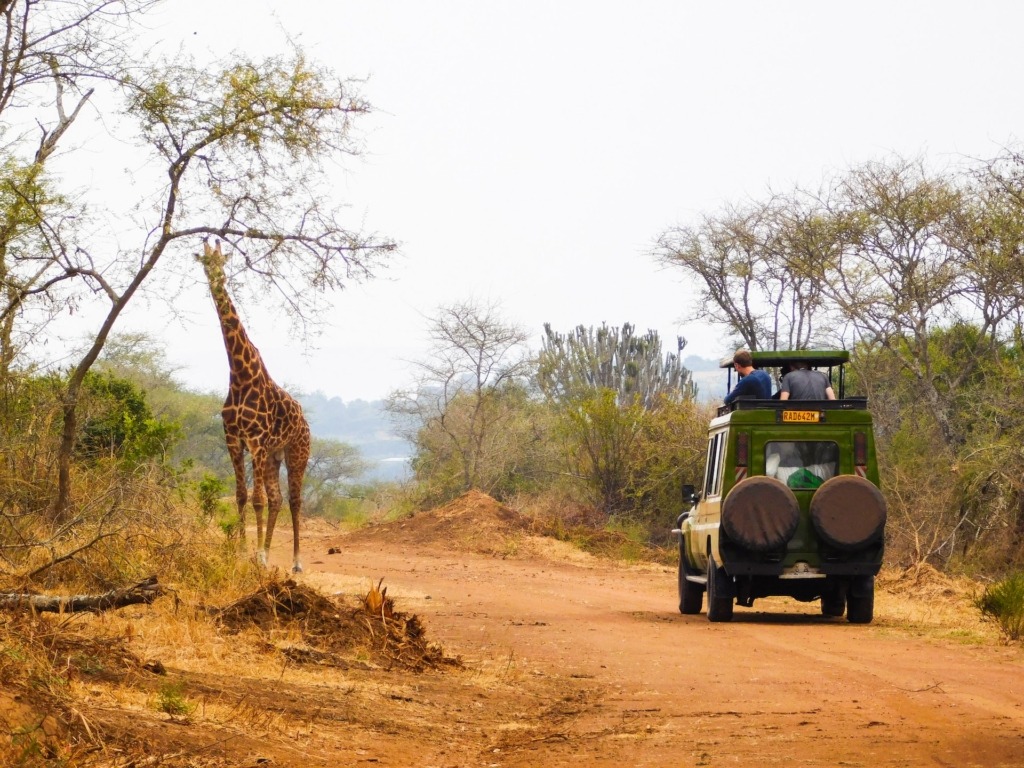
Road safaris use a 4x4 safari vehicle with a pop-up roof, driven by an experienced guide. This is the most common and cost-effective option, and it allows for flexible stops for photography and wildlife sightings along the way.
Fly-in safaris use small aircraft to hop between parks, cutting travel time from hours to minutes. This is ideal for travelers with limited time or those wanting to combine several distant regions, such as the Mara and Samburu, in one trip.
Many itineraries combine both: a road safari for game drives within a park, and short flights to move between distant regions efficiently.
Step 6: Budget Realistically
Safari costs vary enormously depending on season, accommodation tier, and trip length. As a rough guide for a 6-day Kenya safari per person (based on double occupancy):
- Budget camping safari: $900–$1,500
- Mid-range lodge safari: $1,800–$3,500
- Luxury tented camp safari: $4,000 and up
These figures typically include accommodation, most meals, park fees, and a private guide with vehicle, but often exclude international flights, visas, tips, and alcoholic beverages. Park entrance fees alone can run $50–$100 per person per day depending on the reserve, so always confirm exactly what's included in any quoted package.
Step 7: What to Pack
A well-planned packing list makes a real difference in comfort:
- Neutral-colored clothing (khaki, olive, tan) — avoid bright colors and pure white, which can startle wildlife or attract insects
- A warm layer for early morning game drives, which can be surprisingly cold
- Comfortable, broken-in walking shoes
- A wide-brimmed hat and high-SPF sunscreen
- Binoculars — a good pair genuinely transforms the experience
- A camera with a zoom lens, plus extra batteries and memory cards
- Insect repellent and any personal malaria prophylaxis, as advised by your doctor
- A basic first-aid kit and any personal medications
Step 8: Health and Safety Essentials
Kenya requires no mandatory vaccinations for most travelers beyond routine immunizations, though a yellow fever certificate may be required if arriving from certain countries. Malaria risk exists in many safari areas, so consult a travel clinic about prophylaxis several weeks before departure.
Safari vehicles and licensed guides operating within national parks maintain strong safety records, and reputable operators brief guests thoroughly on wildlife etiquette — staying inside the vehicle during game drives, keeping noise levels down, and never attempting to approach animals on foot outside designated walking safaris.
Step 9: Choosing the Right Safari Package
When comparing safari packages, look beyond the headline price. Ask what's included: park fees, meals, drinks, laundry, guide gratuities, and airstrip or road transfers. Confirm group size — private safaris offer more flexibility, while shared group safaris cost less but follow a fixed itinerary. Finally, check the guide-to-vehicle ratio and whether your guide is a dedicated naturalist rather than a general driver, since guide quality is often the single biggest factor separating an average safari from an unforgettable one.
Final Thoughts
A first Kenya safari doesn't need to be complicated — it needs to be planned with the right priorities in mind: the right season for what you want to see, a realistic number of parks, accommodation that matches your budget and comfort level, and a trusted operator who handles the logistics so you can focus on the experience.
At Nkauwos Safaris & Expeditions, we build custom itineraries around exactly these priorities, tailored to your travel dates, budget, and bucket list. If you're ready to start planning your first Kenya safari, reach out to our team and we'll help you turn this guide into a real itinerary.